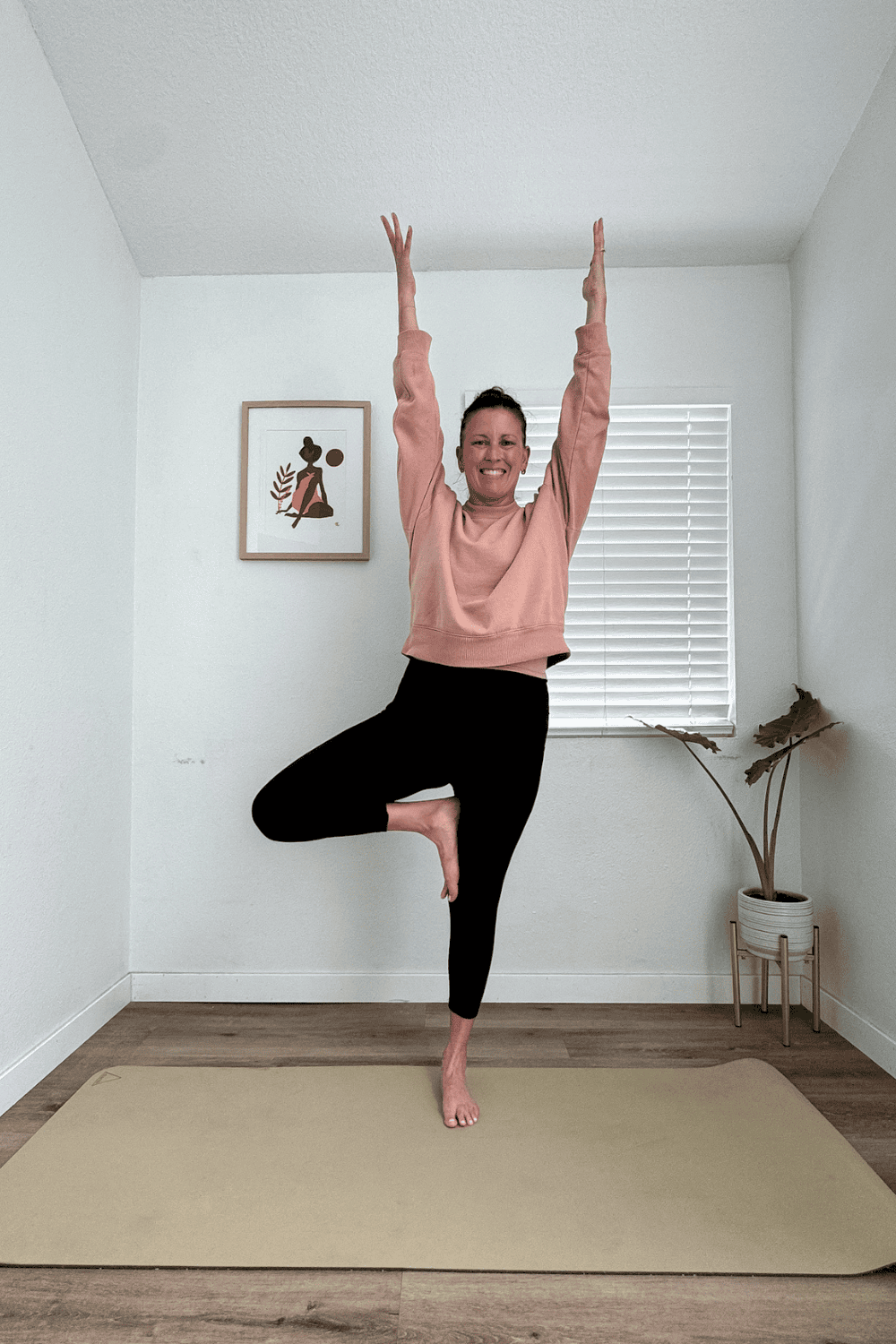
The Mind-Body Science Behind Yoga For Stress Relief
1. Stress: The Modern Epidemic
In today’s fast-paced world, chronic stress has become our constant companion. From long workdays to endless notifications, our nervous systems rarely get a chance to rest. Over time, this can lead to exhaustion, anxiety, and even physical pain.
Yoga offers a powerful antidote. It;s not just because it feels relaxing, but because it directly influences the mind-body connection and helps regulate how we respond to stress.
2. The Science of How Yoga Reduces Stress

Yoga works on both physiological and psychological levels to restore balance.
🫁 Breath and the Nervous System:
When you slow your breathing through pranayama (yogic breath techniques), you activate the parasympathetic nervous system. This is your body’s “rest and digest” mode. It can lower your heart rate, reduce blood pressure, and signal safety to your brain.
🧠 Mindful Movement:
Gentle, intentional movement reduces cortisol levels while releasing endorphins and GABA, the neurotransmitter linked to calm and contentment. Each pose becomes a mini-reset for your nervous system.
💪 Body Awareness (Proprioception):
When you focus on alignment and muscle engagement, something we emphasize in anatomy-informed yoga, your mind anchors in the present moment. This embodied awareness draws attention away from racing thoughts and back into grounded presence.
3. The Mental Health Connection

The practice of yoga is more than movement. It is mind training. By cultivating awareness and stillness, yoga helps you observe emotions without being overwhelmed by them.
Regular practice has been shown to:
- Reduce symptoms of anxiety and depression
- Improve sleep quality
- Increase resilience and emotional regulation
- Foster a greater sense of peace and clarity
As one student shared after a recent Pacific Yoga Fit retreat:
“I didn’t realize how much tension I was holding until I finally felt what relaxation actually feels like.”
4. Why Anatomy-Informed Yoga Makes a Difference

Not all yoga is created equal. Anatomy-informed yoga, the foundation of my teaching at Pacific Yoga Fit, prioritizes safe alignment, balanced muscle engagement, and mindful sequencing.
When you understand how your body moves and what each posture is doing, you practice with confidence and intelligence, allowing deeper release without strain.
This awareness transforms your practice into a therapeutic experience for both body and mind.
5. How to Practice Yoga for Stress Relief

Here are three simple ways to begin:
- Start with the Breath: Begin and end your day with five deep, slow breaths.
- Move with Intention: Try gentle flows that include forward folds, supported bridges, and restorative poses.
- Rest Deeply: Incorporate at least one restorative or yin yoga session each week to reset your nervous system.
Want to experience these techniques in a supportive setting?
Join one of our Pacific Yoga Fit workshops or retreats, where we explore the mind-body connection through movement, mindfulness, and education, empowering you to carry stress-relief tools into daily life.
6. The Takeaway
Yoga is more than flexibility or fitness. It’s nervous system training.
By combining anatomical understanding with mindful awareness, you cultivate not only a healthier body but also a calmer, clearer mind.
If you’re ready to reset your nervous system and rediscover peace, explore our upcoming retreats and workshops, designed to help you move better, feel better, and live with greater ease.